
the story of bandia
How research among the stones of Ireland grew into books, maps, jewellery and castings. Bandia takes its name from the Irish for goddess.

the stonelight crew
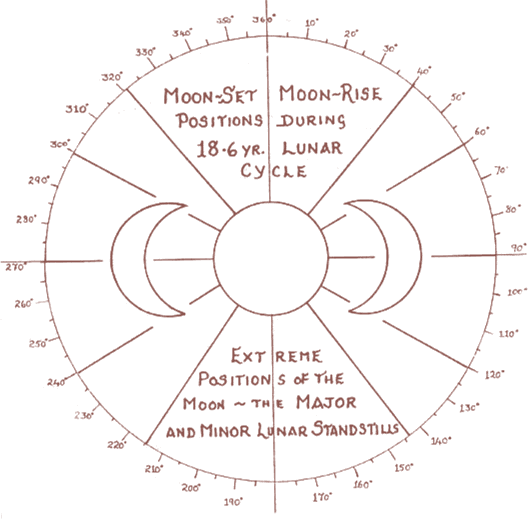
Bandia’s roots are in the research of Irish Stone Age monuments by the author and creator, along with Martin Brennan and others of the Stonelight crew, in north Dublin in the late 1970s and early 1980s. Their hands on approach to deciphering the symbolism of Neolithic rock art, and concepts of Irish archaeo astronomy in particular, proved to have a groundbreaking effect on how the monuments are interpreted today.
The sunrise equinox alignment at Loughcrew’s Cairn T is one example of many that the Stonelight crew helped to document in Brennan’s book, The Stones of Time.
When one’s eyes have been opened to great mysteries, there is no return from them.
the publishing house
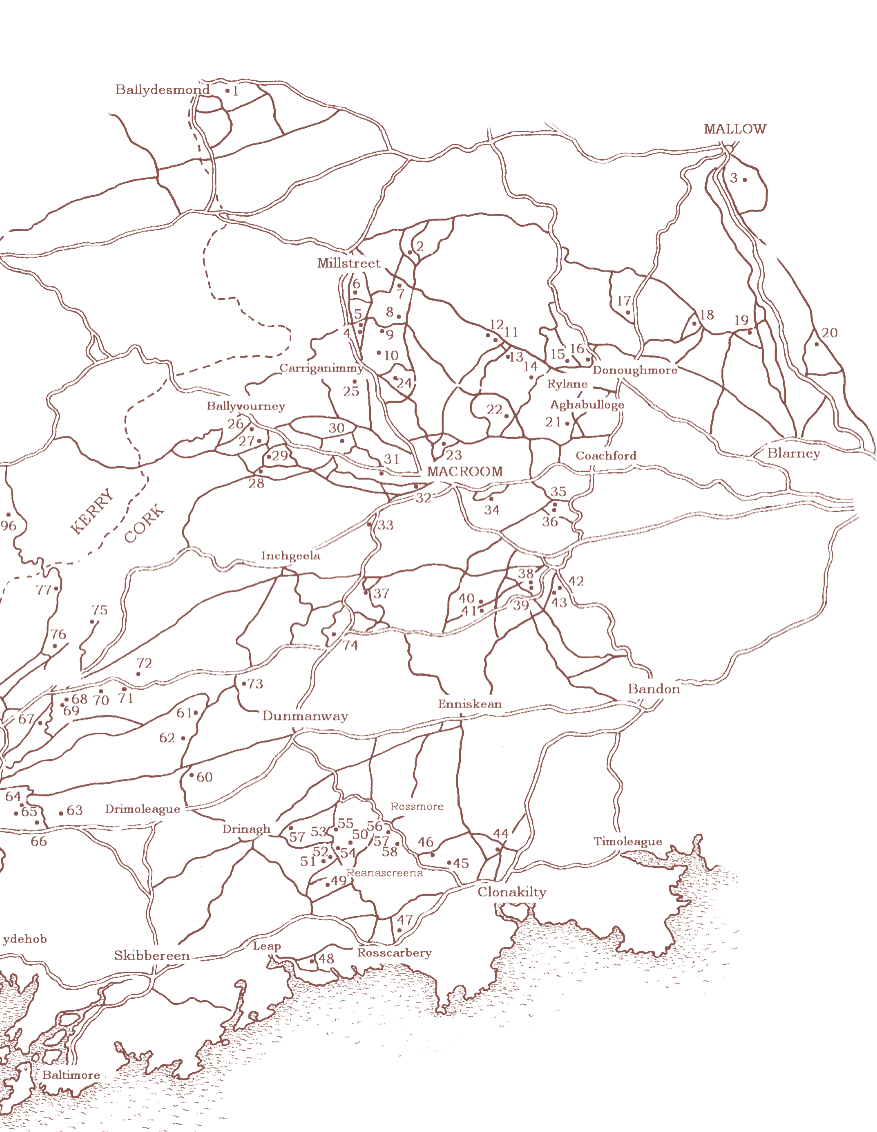
The seed planted in the early 1980s grew into a lifelong passion. Primarily established as a publishing outlet, Bandia is the home of publications that place Ireland’s megalithic stone monuments, their symbolism and mythology front and centre. The guide maps and books are illustrated by the author and creator to give accurate accounts of the stone art, with the placement of monuments carved and constructed by ancient Neolithic people.
The architectural formations of dolmen, circles, mounds and cairns are represented with examples in each region. The aim is to engage the traveller to visit and appreciate them, to enliven a curiosity for the rich historical landscape, along with the mystery and folk story that surround them.
the jewellery
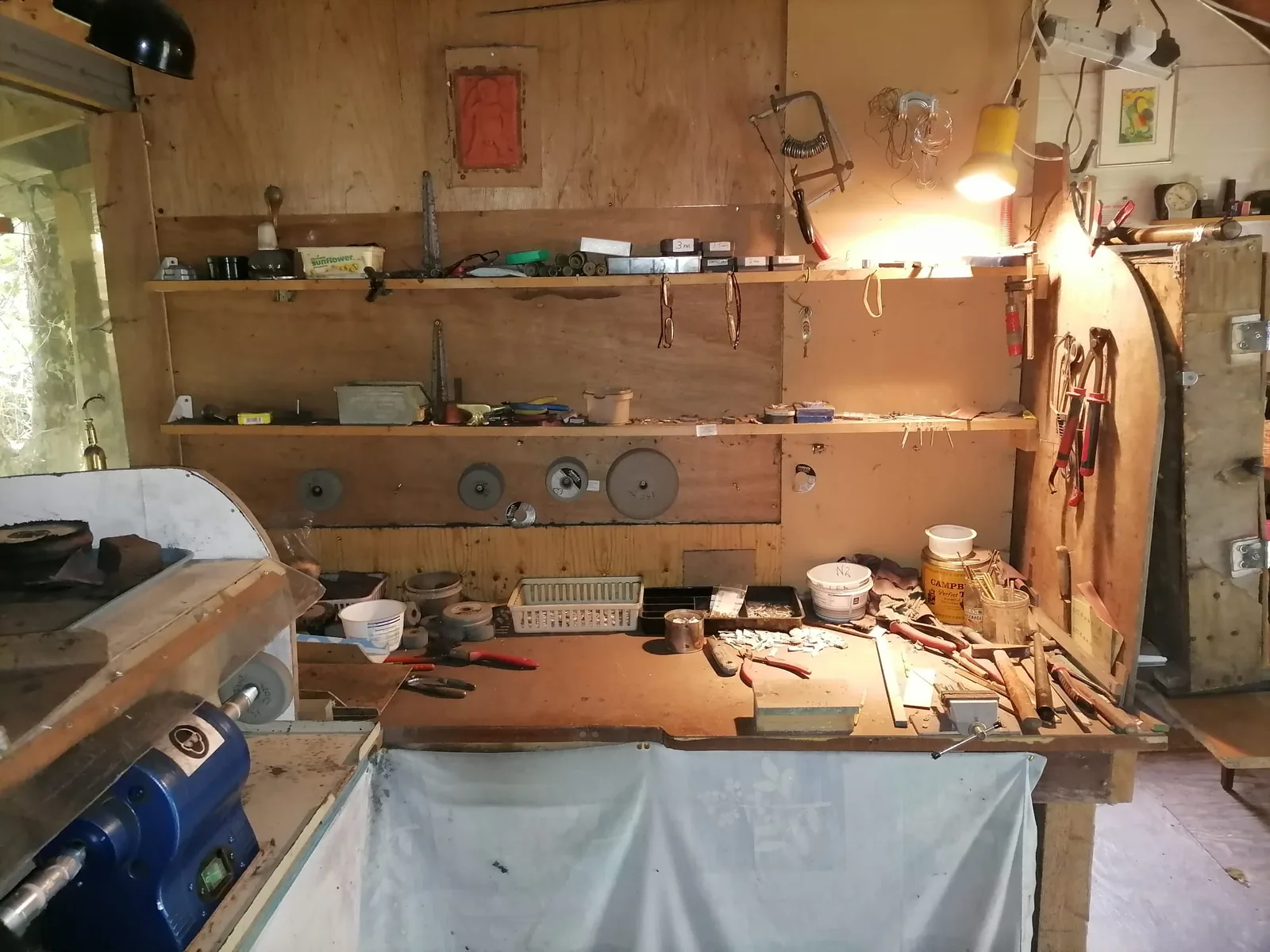
Jewellery has been designed and made at Bandia since 1996, concentrating on historical themes, Early Celtic Art, less well known motifs such as the Sheela na Gigs, and prehistoric megalithic art.
When Bandia moved into hand cast pieces that people could take home, wear or give as gifts, the author and creator naturally became a sought after guide and speaker, as groups visiting Irish megalithic monuments looked for those with knowledge of the sites.
the sacred feminine
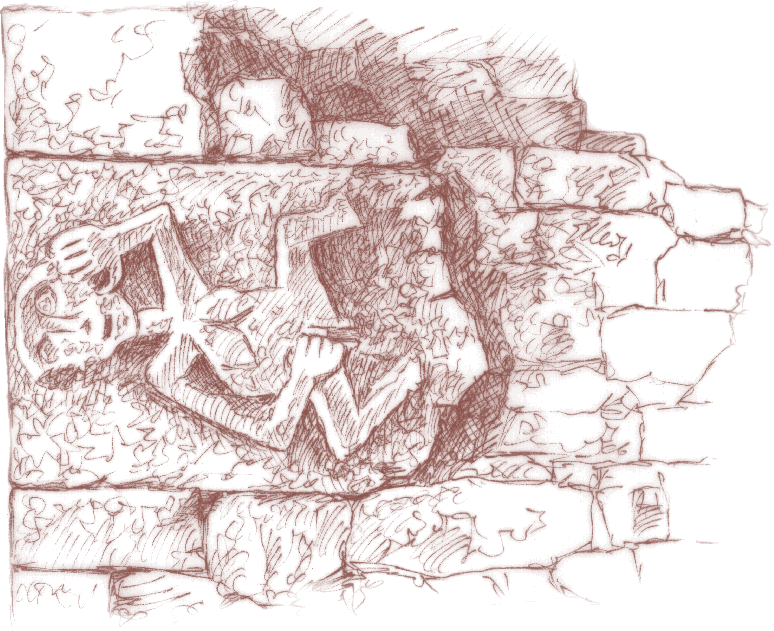
The Sheela na Gig stone carvings of Ireland’s Medieval period are a continuation of the research into Irish stone art, and the sacred feminine presence within it. Along with artist and co-author Joanne MacMahon, the author and creator researched and developed a book and an Irish guide map on the subject, a Celtic calendar, and a line of jewellery to accompany them.
The jewellery aspect of Bandia transformed it fundamentally. It thrived and expanded thanks to their artistic collaboration.
north to the rock art of sweden
Bandia also made a segue into Scandinavian rock art, when the author and creator researched sites while living in northern Sweden. With the addition of an apprentice in 2016, Bandia expanded again. A second Sheela na Gig book followed in 2020, and a further four publications after it.

the legacy
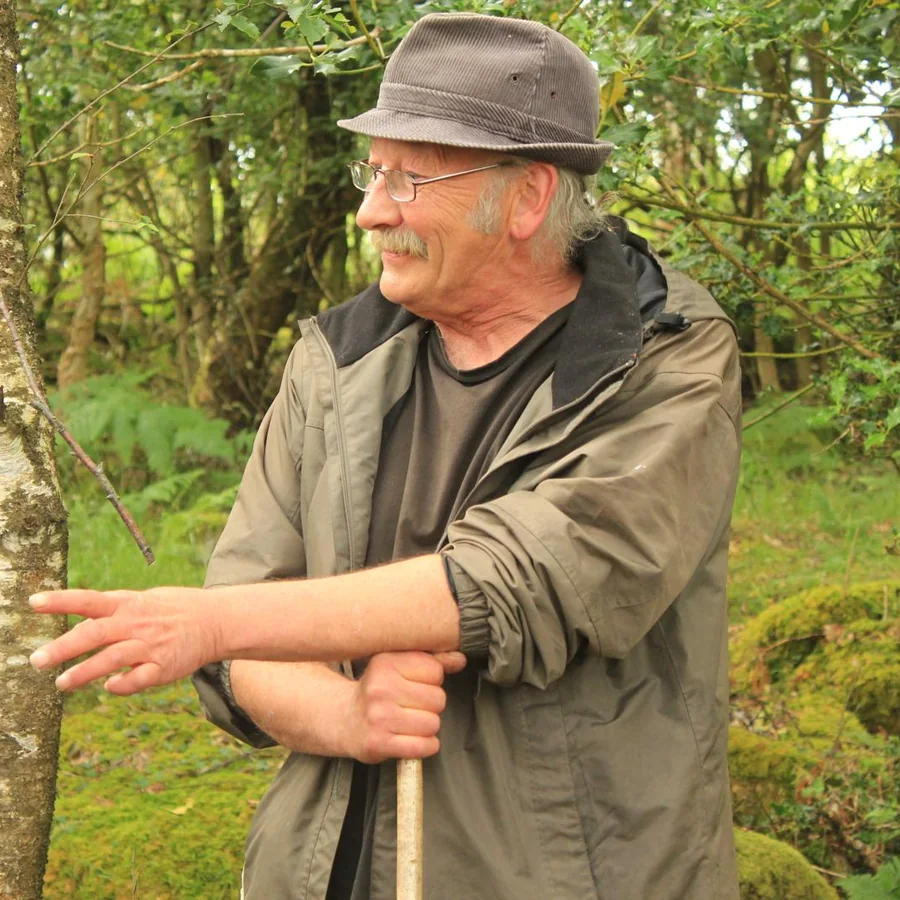
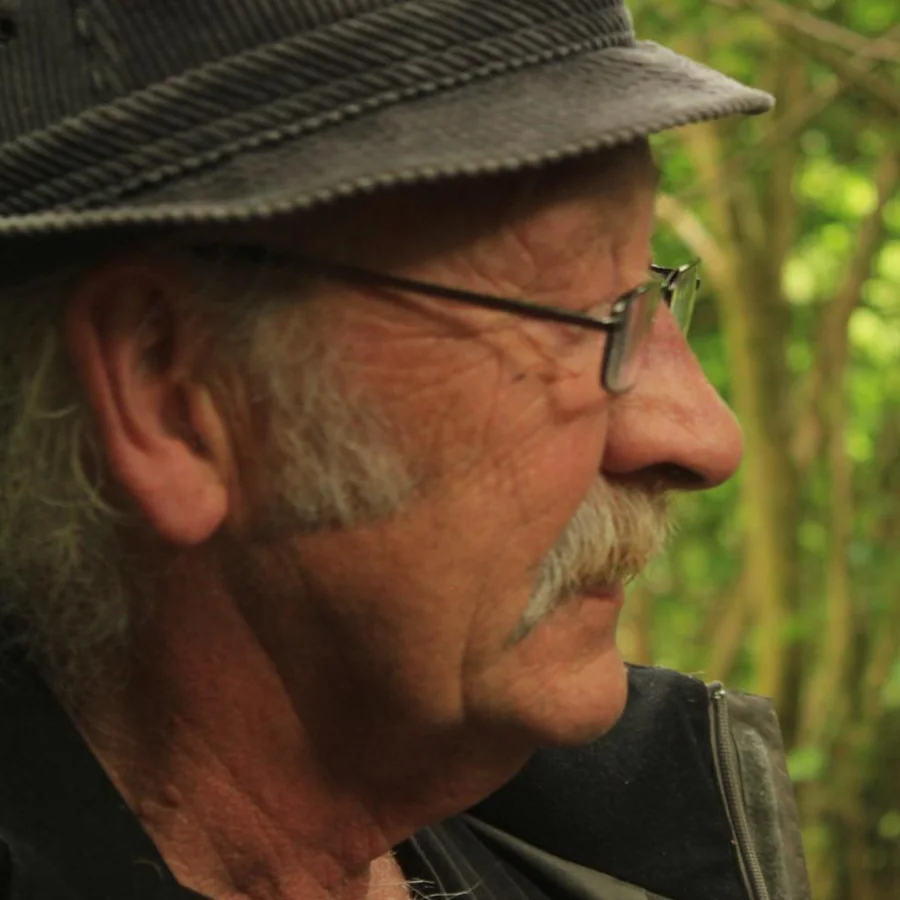
All of this legacy was created by one man, Samhildánach, “equally skilled in many arts”, who has since 2024 passed into the land of the Sídhe.
Bandia carries the work on, from the studio in Co. Cork.
asked and answered
Will I receive the story with my purchase?
Yes. Jewellery comes in a box with an insert providing relevant text.
What is the jewellery made of?
Jewellery is cast in White Bronze. This is an alloy metal, non toxic and lead free.
Where is the jewellery made?
At the Bandia studio in Co. Cork, Ireland.
How long is the chain?
We use 18 inch silver plated chains.
Are ear hooks Sterling Silver?
Yes.
When can I expect my order?
Allow ten days for international postage. National orders take three to five days.
Will the map and calendar be folded?
Yes.
Where are the publications printed?
At Inspire in Skibbereen, Co. Cork, Ireland.
What period of Ireland’s history is represented by Megalithic Art?
Irish rock art appears carved on stone monuments of the Neolithic Era, the earliest being 5,000 BC until 1,300 BC.
What period of Ireland’s history is represented by Celtic Art?
Celtic Art is a term for what emerged from the earliest of Irish designs. It has its roots in the Iron Age period, 500 BC until 400 AD when, in the Early Christian era, illuminated manuscripts were created. During the La Tène period carved stones appear with elaborately curved patterns around 300 BC. Celtic art is noted for its intricate knot work, interlacing of geometric patterns, and triskel symbols.
When did the Sheela na Gig appear in Ireland?
Sheela na Gigs are stone carvings that appear on churches and castles of the Medieval period, between the 12th and 16th century.
for shops and heritage centres
Bandia supplies a small number of shops and heritage centres. Wholesale pricing is agreed directly, so write to us for the current list.
Ask for the wholesale list